
Can You Sue Your Apartment Complex for Unsafe Living Conditions?
Posted in Apartment Accidents,Firm News,Personal Injury on December 27, 2023
Living in an apartment complex in Los Angeles means expecting a certain standard of safety and comfort in our homes. At Soofer Law Group, we know that most landlords in our city do a great job keeping their properties in inadequate conditions. But what if you find yourself in an apartment that’s not just uncomfortable but downright unsafe?
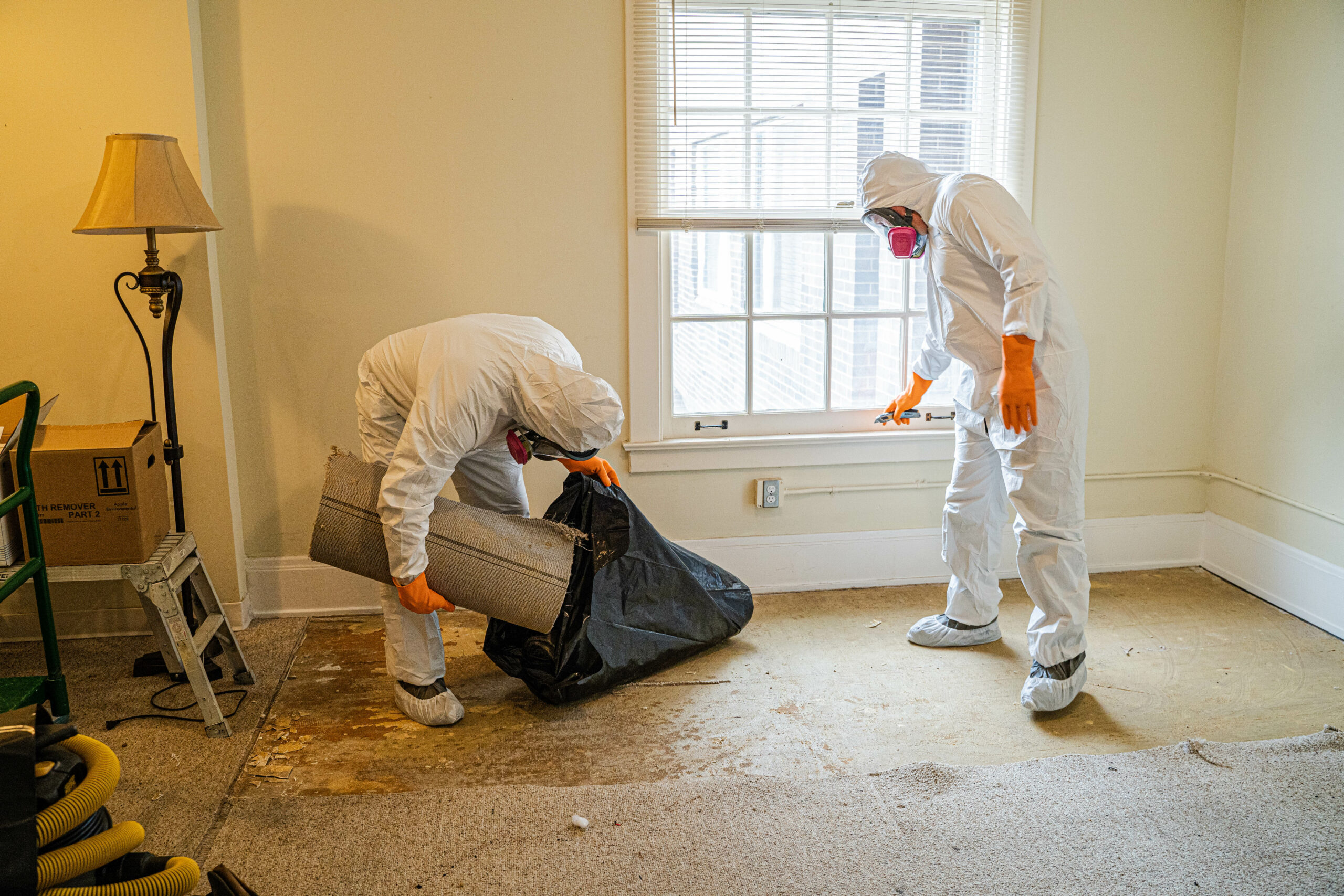
Landlords and property owners who breach a duty of care to maintain premises in liveable conditions may be held responsible for causing injuries to tenants. Our legal team knows how much of an impact unsafe living conditions can have on your everyday life and health. With aggressive and diligent representation, we will seek compensation for damages you have suffered from one or multiple liable parties by proving negligence in a premises liability claim.
How to Sue Your Apartment Complex for Unsafe Living Conditions
As a tenant in Los Angeles, living in a safe and habitable environment is your legal right, not a privilege. When your landlord fails to ensure this, you may have legal avenues to pursue. If you’re facing unsafe living conditions, you can take action in the following ways:
- Document everything: Keep a detailed record of all the unsafe conditions. Take photos, write down dates of incidents or discoveries, and save any communication with your landlord about these issues.
- Report the conditions: Before legal action, report these conditions to your landlord in writing. Give them a reasonable amount of time to address the issues.
- Seek legal counsel: Consult with a personal injury attorney with focused knowledge of tenant rights. At Soofer Law Group, we can guide you through your legal options to increase your chances of success in a premises liability claim.
- Health and safety inspection: Request an inspection from your local health or building department. An official report can serve as critical evidence.
- Understand tenant rights: Familiarize yourself with California tenant laws. Knowing your rights can empower you to advocate for your rights to pursue the compensation you deserve for the injuries you suffered.
- Consider rent withholding or repair and deduct: In some cases, you might be able to withhold rent or pay for repairs yourself and deduct the cost from your rent, but this should be done under the guidance of a premises liability lawyer.
- File a premises liability lawsuit: If necessary, file a lawsuit against your landlord. With an experienced premises liability lawyer on your side, you increase your chances of success and mitigate any challenges in pursuing the justice you deserve.
Remember, your safety and well-being are paramount. If your living conditions are compromising these, taking legal action may not only protect you but also prevent others from suffering similar issues in the future.
Recoverable Damages in a Successful Apartment Premises Liability Claim
When you successfully pursue a claim against your landlord for unsafe living conditions, you’re entitled to various forms of damages. Economic and non-economic compensation is designed to cover the losses and suffering you’ve suffered due to their actions, which may include the following:
- Back rent and rent reduction: If you’ve been paying rent while living in unsafe conditions, you may be entitled to a portion of that rent back. Rent reduction compensates for the period you lived in substandard conditions.
- Medical expenses: If the unsafe conditions lead to health issues or injuries, you can claim compensation for medical treatments, including hospital bills, medication costs, and any future medical care related to the injuries.
- Pain and suffering: This non-economic damage covers the physical pain and emotional hardship you suffered due to the unsafe living conditions.
- Moving expenses: If you had to move out due to unsafe conditions, you could be compensated for your moving expenses and any costs related to finding new housing.
- Punitive damages: In cases where the landlord’s actions were particularly egregious, punitive damages might be awarded. These are intended to punish the landlord and deter similar conduct in the future.
- Legal fees: Often, you can recover the costs of legal representation and any other court-related expenses incurred during your lawsuit.
It’s important to note that the specific damages you’re eligible to recover can vary based on the details of your case. Working with an experienced Los Angeles apartment premises liability attorney at Soofer Law Group can help you understand what compensation you’re entitled to and how to pursue the full extent of the damages you deserve.
Speak With the Apartment Premises Liability Lawyers at Soofer Law Group Today
If you’re living in an apartment in Los Angeles and facing unsafe living conditions, you may have legal options to hold your landlord accountable. At Soofer Law Group, we’re committed to helping tenants like you hold negligent landlords accountable. Our experienced apartment premises liability lawyers are ready to aggressively pursue compensation for back rent, medical expenses, pain and suffering, and more, ensuring you get the justice and security you deserve.
Contact one of our apartment premises liability attorneys or a free case evaluation by calling (310) 861-4058 or filling out our contact form today.